Local Insights to Majestic Deck Builders Austin
Cost-Effective Deck Building Solutions: Increase Your Home's Value
Budget-friendly deck construction services offer an ideal approach for property owners seeking to enhance their property's overall appeal. A carefully crafted deck not only improves outdoor visual appeal but can also be attractive to prospective purchasers. By opting for affordable materials and qualified builders, homeowners can establish an appealing outdoor environment. However, knowing the details of deck construction and materials is essential. What aspects should be taken into account to secure a sound investment?
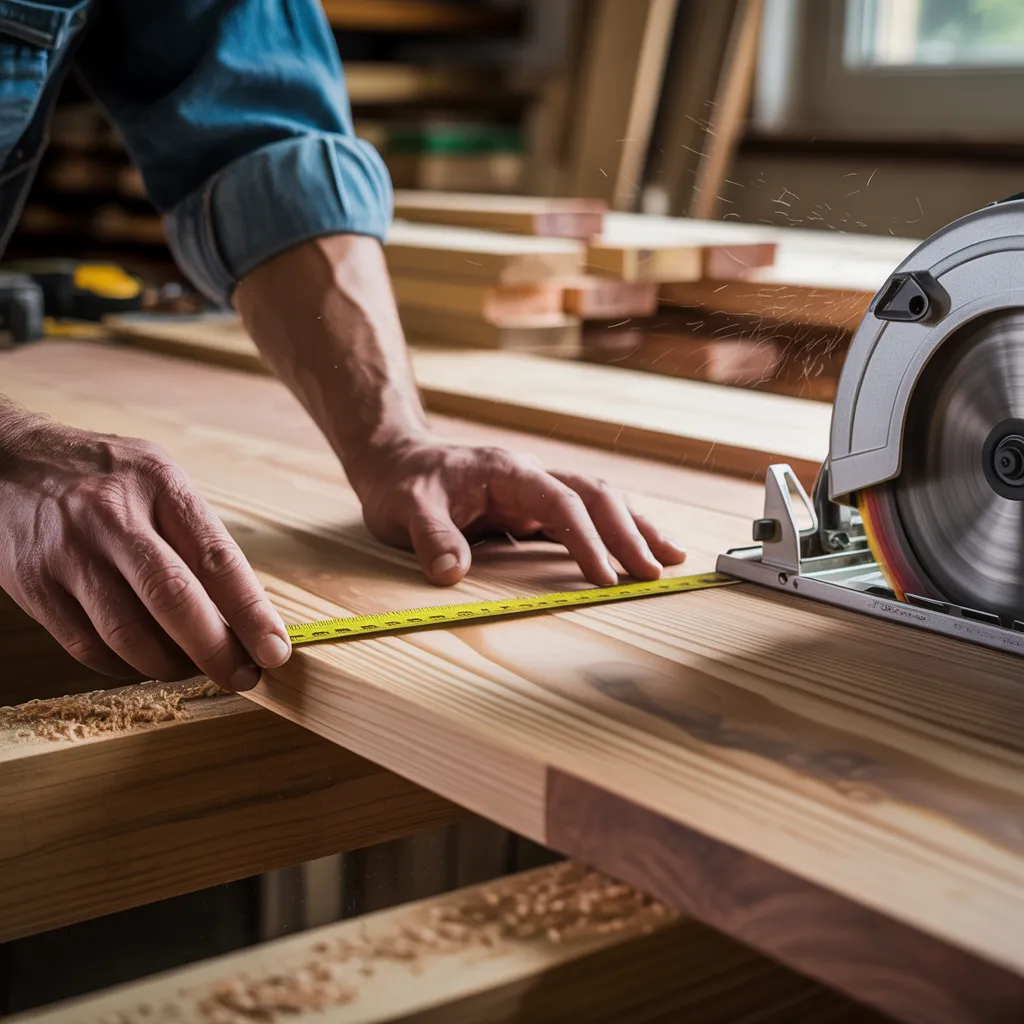
Top Reasons to Invest in Affordable Deck Building for Your Home
Investing in affordable deck building can considerably boost a residence's value and curb appeal, especially when homeowners appreciate the long-term benefits. A key reason to consider this investment is the additional outdoor living area it offers. A well-designed deck functions as an outdoor extension of the house, offering a flexible space for leisure, social gatherings, or al fresco dining. Additionally, decks can support a healthier way of life by encouraging outdoor activities.
Furthermore, budget-friendly deck installation can lead to increased property values. A professionally built deck often attracts potential buyers, making homes more attractive on the market. Durability and low maintenance costs associated with premium materials contribute to the deck's practicality and appeal. Finally, the decorative upgrade that a deck brings can cultivate a warm and appealing space, promoting a feeling of ease and satisfaction. Homeowners who invest wisely in deck building are likely to reap both short-term and long-term rewards, enhancing their overall living experience.
How a Deck Boosts Your Home's Curb Appeal
An elegantly designed deck functions as a striking focal point that significantly improves a home's exterior appeal. The addition transforms outdoor spaces, inviting potential buyers and visitors to picture casual entertaining or serene evenings. A thoughtfully designed deck complements the home's architecture, creating a unified appearance that elevates the home's overall appeal.
In addition, the materials and finishes used can reflect a home owner's style, further contributing to the visual appeal. Rich landscaping paired with a deck can produce a balanced outdoor space, highlighting the overall property.
In neighborhoods where homes can appear similar, a unique deck can set a property apart, showcasing individuality and attention to detail. This addition not only enhances visual appeal but also reflects a deliberate investment in the property, making it more attractive in the competitive real estate market. In the end, a deck functions as both a practical area and a visual enhancement, significantly elevating curb appeal.
Types of Deck Materials and Associated Costs
When exploring deck construction materials, property owners frequently compare the merits of composite versus wood options. Every material offers distinct benefits and varying costs that can significantly affect total project costs. Evaluating these considerations assists in reaching knowledgeable determinations suited to individual preferences and financial constraints.
Wooden Decking Options
Wood decking choices provide homeowners with numerous alternatives that accommodate both aesthetic preferences and budget constraints. Commonly used materials feature pressure-treated pine, recognized for its cost-effectiveness and durability, making it a popular option for financially mindful installations. Cedar and redwood offer a more natural appearance and resistance to decay, although they carry a larger price tag. Exotic hardwoods, including ipe and mahogany, deliver remarkable strength and elegance but may significantly raise total costs. Additionally, maintenance considerations, such as staining and sealing, could influence ongoing financial commitments. Ultimately, selecting the appropriate wood decking involves balancing initial investment with desired longevity and visual appeal, allowing homeowners to maximize the value of their investment.
Composite Material Benefits
Although many homeowners prefer conventional wood choices, composite materials are growing in popularity due to their wide range of benefits. These products, commonly composed of a blend of recycled plastics and wood fibers, offer superior durability and protection against weathering, pests, and rot. This longevity minimizes the need for frequent repairs and replacements, making them a smart solution for busy homeowners. Moreover, composite decking demands significantly less upkeep than wood, doing away with the necessity of regular staining or sealing. With a variety of colors and textures available, composite materials can imitate the aesthetic of wood while providing a more consistent look. Ultimately, these benefits make composite decking a standout solution for those wanting to upgrade their exterior spaces without giving up quality or beauty.
Comparative Cost Analysis
Knowing the expenses linked to various deck materials is crucial for homeowners considering a deck installation. Different materials come with unique price ranges, affecting total project budgets. Pressure-treated wood typically costs between $15 to $25 per square foot, making it a popular yet affordable choice. On the other hand, high-end hardwoods, like teak or mahogany, may cost between $30 to $60 per square foot, attracting homeowners who prioritize longevity and visual appeal. Composite materials, while initially pricier at $20 to $40 per square foot, offer longevity with minimal maintenance, potentially offsetting long-term costs. At the end of the day, picking the ideal material means finding a balance between initial costs and future upkeep requirements, guaranteeing the investment matches the homeowner's budget and intended deck use.
Essential Design Features for Your Ideal Deck
When thinking about the design of an ideal deck, choosing the right materials is crucial for both visual appeal and longevity. Additionally, the layout and functionality must complement the intended use, whether for social gatherings, leisure, or outdoor planting. Combined, these components form a cohesive outdoor space that improves the property.
Material Choice Considerations
Choosing the appropriate material options for a deck is essential to reaching both practicality and visual appeal. Homebuilders are presented with various options, including composite, wood, and PVC materials. Genuine wood delivers a classic look and can be treated for longevity, but necessitates consistent care. Composite materials provide strength and resistance to the elements, making them minimal in upkeep while imitating the aesthetic of wood. PVC is another alternative, noted for its ability to resist fading and stains, but could lack the organic warmth of genuine wood. Additionally, factors such as intended usage, local climate, and budget constraints play significant roles in choosing the right material. By carefully evaluating these elements, homebuilders can guarantee their deck meets both practical and visual needs, elevating their exterior living area considerably.
Design and Features
Following the selection of the right materials, the next step involves considering the layout and functionality of the deck. An effective layout maximizes space while providing comfortable movement and convenient accessibility. Homeowners should think about the deck's main function—whether for entertaining, relaxing, or gardening—and structure the space to suit those needs. Features such as built-in seating, planters, or privacy screens may improve functionality and visual charm. Furthermore, creating harmony with the home's design aesthetic and natural surroundings is key to achieving a cohesive look. Strategic zoning, including dedicated spaces for eating or relaxing, can elevate the complete functionality. Taking into account elements such as sunlight and wind patterns will further enhance the comfort of the outdoor space. Ultimately, thoughtful layout and functionality elevate both comfort and home value.
How to Identify Dependable Deck Builders in Your Local Area
Finding reliable deck builders in one's area can often feel like an overwhelming undertaking. To begin the search, homeowners should ask for referrals from friends, family, or neighbors who have recently completed similar projects. Digital reviews and ratings on platforms like Google or Yelp can deliver useful perspectives on local builders' professional standing.
Additionally, it is important to validate certifications. Builders should be properly licensed and fully insured, providing protection from potential liabilities. Seeking out a portfolio of prior work helps determine quality of work and stylistic alignment.
Homeowners are also advised to collect several estimates to evaluate the pricing and services available. Clear communication is vital; contractors should be prepared to address inquiries and provide detailed project timelines. Lastly, inquiring about warranties or service guarantees can offer additional peace of mind. By following these steps, homeowners can effectively choose a reliable deck builder who aligns with their needs and goals.
How to Create a Budget for Affordable Deck Building
Planning a budget for affordable deck construction demands thorough planning and evaluation of multiple factors. Property owners should first identify their complete budget, which encompasses not only material costs but also labor, permits, and unforeseen expenses. Researching local prices for materials like wood, composite, or vinyl can help in making informed choices that fit financial constraints.
Next, it's important to focus on design elements and features. A straightforward design may be more budget-friendly than intricate features. Property owners should also explore supplier discounts or seasonal sales, which can yield impressive financial benefits.
Finally, collecting multiple quotes from experienced decking professionals can offer clarity on fair pricing and assist in choosing the most suitable choice. By evaluating all of these considerations, residential property owners can develop a realistic budget that allows for a superior deck while keeping costs manageable.
The Property Value Benefits of Installing a Deck
Installing a deck can considerably increase a property's real estate value, often generating discover more a return on investment that interests future buyers. Housing market professionals frequently note that properties featuring decks are more likely to sell quickly and at increased price points when measured against equivalent homes without exterior living spaces. A professionally built deck creates supplemental living space, enabling homeowners to experience outdoor entertaining, cookouts, or peaceful evenings outside, which can be especially appealing in family-oriented neighborhoods.
Additionally, decks may function as a focal point in landscape design, reshaping an common space into a sought-after escape. Prospective buyers often regard a deck as a sign of a well-maintained home, further enhancing its marketability. Local tastes also play a role; in warmer climates, a deck can be a key attraction. All things considered, investing in a deck can not only improve a property's visual charm but also significantly add to its total property worth.
Essential Tips for Maintaining and Preserving Your Deck's Value
Maintaining a deck is vital for ensuring its longevity and protecting its value. Regular inspections should be conducted to identify any signs of wear, such as splintering wood or loose boards. Washing the deck a minimum of two times annually helps eliminate grime and mold, which can lead to degradation. Using a mild detergent and a soft brush or power washer provides a deep clean without compromising the material.
Applying a weatherproof sealant every few years is crucial to protect against UV damage and moisture, consequently prolonging the deck's lifespan. It is equally important to maintain clear gutters to avoid water buildup and to maintain adequate drainage.
For wooden decks, periodic sanding could be needed to remove rough patches and keep a polished appearance. Additionally, ensuring that furniture and planters are shifted at regular intervals can prevent uneven fading and pressure marks, effectively maintaining the deck's visual appeal and structural integrity.

Frequently Asked Questions
Which Permits Are Needed for Deck Construction?
Erecting a deck generally necessitates a building permit, zoning authorization, and potentially additional permits for electrical or plumbing work. Municipal regulations differ, so checking with local authorities is crucial to confirm full compliance with local regulations.
How Long Does It Take to Complete a Typical Deck Installation?
A conventional deck installation typically requires anywhere from one to three weeks, depending on size, complexity, and weather conditions. Proper planning and permitting can influence the timeline, helping to ensure a more seamless construction process.
Is It Better to Build a Deck DIY or Hire a Professional?
One can choose to build a deck as a DIY project, which brings a rewarding sense of satisfaction, or bring in a professional for their skill and effectiveness. Each choice relies on individual skills, budget, and desired outcome.
What Are Common Deck Design Trends This Year?
In the current year, leading deck design styles encompass multi-level layouts, incorporated seating options, eco-friendly materials, and striking color combinations. In addition, outdoor lighting and smart technology features are gaining popularity, boosting both functionality and aesthetic value for property owners.
Are Environmentally Friendly Materials Available for Deck Building?
There are indeed a number of sustainable materials used in deck construction, including reclaimed wood, bamboo materials, and composite decking manufactured using recycled wood fibers and plastics. These materials decrease ecological impact while offering durability and aesthetic appeal.